Why Is the White House Mentioned in Hemp Regulation Talk?
When hemp businesses, consumers, or news stories talk about new hemp rules, the White House often enters the conversation alongside Congress. That can make it sound as if the president has already changed the rules for hemp products. Usually, though, the mention reflects a mix of legislative proposals, administration priorities, and debate over how federal agencies should enforce existing law—not one simple announcement that settles everything.
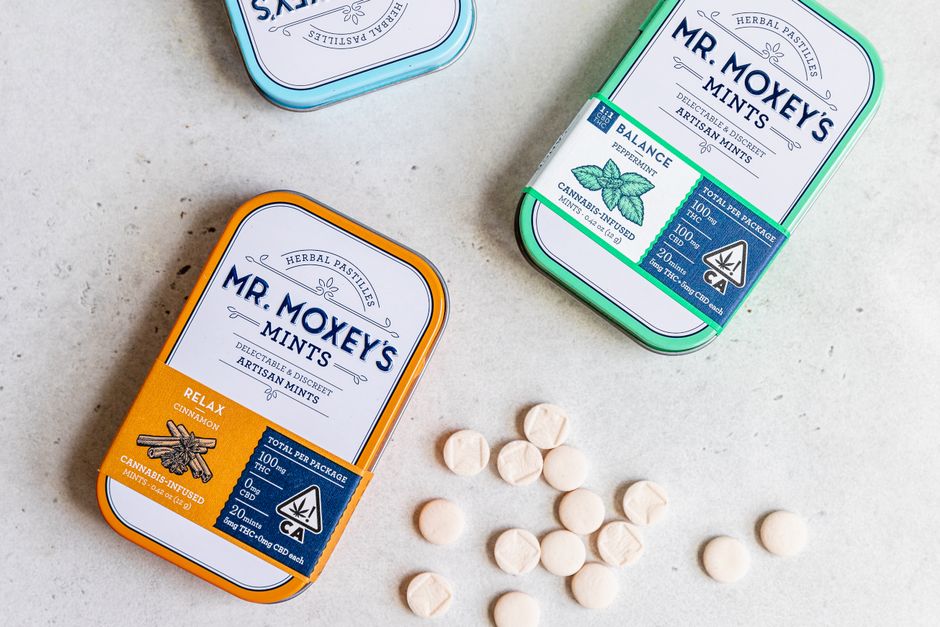
To understand the headlines, it helps to separate three things: what the federal hemp definition currently says, what lawmakers may want to change, and what a proposal would mean for products on store shelves. The details matter, especially when a proposal addresses total THC vs delta-9 THC, THCA conversion, or a per-container THC cap such as 0.4 mg.
Why the White House Is Part of the Conversation
The White House can influence federal policy by stating administration priorities, working with Congress, directing executive agencies, and deciding whether to sign or veto legislation that reaches the president. Those roles are significant, but they are not interchangeable. A policy statement is not automatically a new statute, and an agency discussion is not necessarily a rule that is already in effect.
That distinction is important in hemp coverage. Headlines may refer to lawmakers and white house signals in the same breath, even though the signals can mean different things. Lawmakers might introduce a bill or negotiate language. The White House might express support for tighter controls, raise public-health concerns, or indicate that the issue is on the administration’s agenda. The actual legal effect depends on the text that becomes law and, in some cases, later regulations and guidance.
Congress writes and changes federal statutes
Congress can revise federal law, including the definition of hemp. A proposed change must move through the legislative process before it becomes binding law. Even when a bill has substantial support, its wording, timing, exceptions, and effective date can change as it is debated.
The White House can signal priorities and shape the process
The administration can publicly support or oppose a proposal, engage with lawmakers, and ask federal agencies to examine issues such as consumer safety or enforcement. Those actions can affect the political environment, but a “signal” should not be described as a ban or a new compliance requirement unless there is a specific legal action behind it.
Agencies may handle implementation
If Congress changes the law, federal agencies may have responsibilities related to interpretation, enforcement, or implementation. The details depend on the statute and the agencies involved. Until the relevant law or rule is clear, businesses and consumers should be cautious about treating a proposal as though every operational detail has already been settled.
What a Federal Hemp Definition Rewrite Could Change
The federal hemp definition established a distinction between hemp and marijuana based in part on the concentration of delta-9 THC. That framework helped create a legal category for hemp and hemp-derived products, but it has also prompted disputes about products that contain little delta-9 THC in their raw form while containing other cannabinoids that may produce intoxicating effects after use or processing.
A federal regulatory framework idea discussed in policy debates is to rewrite the definition or add product restrictions so the rules account for more than delta-9 THC measured in isolation. Depending on the specific proposal, lawmakers could consider the total amount of THC, how a product is intended to be used, the amount per serving or container, manufacturing practices, or other product characteristics.
“Rewrite” can sound like one settled plan, but proposals can differ substantially. One version may change the plant or material definition. Another may regulate finished consumer products. A third may use a combination of chemical thresholds and product-level requirements. That is why it is worth checking the actual bill or final legal text rather than relying on a slogan such as “hemp ban.”
Total THC vs. Delta-9 THC: Why the Difference Matters
Delta-9 THC is the cannabinoid most people mean when they casually say “THC.” Some hemp rules and product testing practices have focused on its concentration. But delta-9 is not the only cannabinoid that may matter when considering a product’s potential intoxicating effects.
Total THC is a broader concept. In some testing and regulatory contexts, it accounts for delta-9 THC plus a calculated amount associated with THCA, the acidic precursor found in unheated cannabis material. The precise formula and legal relevance depend on the applicable law, test method, and product category. “Total THC” should therefore not be treated as a universal number with one meaning in every state or federal proposal.
Term What it generally refers to Why it matters in hemp debates Delta-9 THC A specific cannabinoid often used in hemp thresholds and product testing A product may have low delta-9 results while containing other relevant cannabinoids THCA An acidic cannabinoid that can convert to delta-9 THC when heated Its presence can affect how a product’s potential THC content is assessed Total THC A broader measure that may combine delta-9 THC with a calculated contribution from THCA May be used in proposals or regulations designed to account for conversion and overall THC contentTHCA Conversion and the Labeling Problem
THCA can convert to delta-9 THC when exposed to heat, such as during smoking or vaping. This process is commonly called decarboxylation. As a result, a lab result showing low delta-9 THC in an unheated sample does not necessarily tell the whole story about what may be present after heating.
That chemistry creates a practical labeling challenge. A consumer might see “hemp” or a low delta-9 number and assume the product cannot be intoxicating. But the product’s THCA content, how it is used, and the rules that apply can all matter. Conversely, a lab result should not be exaggerated: a test result alone does not establish the user’s experience, and different products and methods of use can lead to different outcomes.
Clear labeling should identify what was tested and what the reported numbers mean. If a package highlights delta-9 THC but leaves THCA out of view, consumers may not have enough information to understand the cannabinoid profile. This is why a useful certificate of analysis (COA) should be tied to the exact product batch and should show relevant cannabinoid results, not just the most convenient figure.
What Does a 0.4 mg Per-Container Cap Mean?
Some proposals discussed as part of a stricter federal approach have included a very low THC limit per container, such as 0.4 mg. A cap stated per container is different from a concentration limit stated as a percentage. It focuses on the total amount in the package, which could affect products such as gummies, beverages, tinctures, or other finished goods.
The number needs context. A proposed cap is not automatically a current, nationwide rule. Its effect would depend on the exact legislative language, which products it covers, how “container” is defined, whether exemptions apply, and when the requirement would take effect. A package’s total contents also differ from the amount in one serving: a product could contain multiple servings, so the two figures should not be confused.
If a bill or final rule uses a 0.4 mg threshold, businesses would need to read the complete text to understand measurement and compliance requirements. Consumers should likewise avoid assuming that a headline about a cap means every hemp product is already subject to it. Look for a source that identifies whether the figure is proposed, enacted, or part of an effective regulation.
How to Read a COA While Rules Are Being Debated
A COA is useful only when it can be connected to the item in your hand. In retail, I learned to check the batch number before trusting a label. A report for a different batch—or a general example COA on a brand website—does not verify the specific package you bought.
- Match the batch or lot number. Compare the number on the product package with the number on the report.
- Use the QR code COA lookup carefully. Scan it and confirm that it opens the report for the same product and batch, not merely a brand landing page.
- Check the test date and laboratory. Make sure the report is relevant to the product and identifies the testing laboratory.
- Review the cannabinoid panel. Look for delta-9 THC and THCA results where relevant. Don’t rely on a prominent delta-9 number if the report omits information needed to understand the product.
- Read the units and serving basis. Results may be reported by weight, concentration, serving, or container. Those figures are not interchangeable.
- Look for the test method and detection limits. A “non-detectable” result should be understood in relation to the method’s limits; it does not necessarily mean absolute zero.
These checks do not determine legal status by themselves. They do help consumers assess whether a brand is being transparent. Companies such as Joy Organics, like other hemp brands, should be evaluated product by product and batch by batch; a familiar name is not a substitute for a current, matching report.
What Consumers and Businesses Should Watch For
As discussions continue, the most useful questions are specific. Is the source describing a bill, a law that has passed, an agency rule, or a political statement? Does the proposal use delta-9 THC, total THC, or a usaenlinea.com different test? Does it set a per-serving or per-container threshold? Is there an effective date? Are there exceptions for particular product types?
- For consumers, check the product’s label, batch-specific COA, and applicable state rules before assuming a product is permitted or non-intoxicating.
- For retailers, maintain accurate lot records and avoid repeating claims that go beyond the documentation available.
- For manufacturers, monitor the actual text of federal proposals and any final rules rather than planning around headlines alone.
- For everyone, treat phrases such as “THC-free,” “legal everywhere,” or “the hemp ban” as claims that need clarification and evidence.
The Bottom Line
The White House is mentioned in hemp regulation talk because the administration can shape priorities and influence the path of federal legislation. But Congress is the body that changes statutes, and agencies may have a role in applying whatever law is ultimately adopted. A White House signal is politically meaningful; it is not, by itself, proof that a particular hemp restriction is already in force.
The central policy dispute is how a federal framework should treat products whose delta-9 THC results alone may not capture the role of THCA, conversion through heating, or the total THC in a finished package. A proposed 0.4 mg per-container cap is one example of the kind of product-level limit that may appear in these discussions, but its status and scope depend on the final legal text.
For now, separate proposals from enacted requirements, read the details behind the headlines, and verify that a COA matches the batch you are considering. That is a more reliable way to follow intoxicating hemp regulation than treating every political signal as a rule—or every “hemp ban” headline as a complete explanation.