Can I Avoid a Charge by Proving There Was No Likelihood of Driving?
When faced with a charge of “being in charge” of a motor vehicle while unfit through drugs or alcohol, many drivers ask: can I avoid conviction by proving there was no likelihood of driving? This question is particularly common among users of prescription or recreational cannabis, especially as legal scrutiny around THC blood limits tightens.
In this article, we will unpack the no likelihood of driving defence in clear terms, explain how the differing tests at roadside and the police station affect your case, and clarify the role of the statutory medical defence in cases involving prescribed medicines. We will also discuss how time spent at an EV charging point, for example with EV Powered’s network, may or may not create a legal risk window.
Defining the Offence: Being in Charge vs Driving
Under Section 4 of the Road Traffic Act 1988, the offence of “being in charge” occurs if a person is found behind the wheel or in control of a vehicle on a road or public place, while unfit to drive because of drugs or alcohol. Importantly, you do not have to be driving or moving the vehicle to be guilty. The key element is the likelihood of driving.
The law states the prosecution must prove that at the time you were in charge, it was more likely than not that you would drive the vehicle in its current condition. This is where the “no likelihood” defence comes into play.
What Exactly is the “No Likelihood of Driving” Defence?
This defence focuses on the driver’s intentions and circumstances at the time they were in charge. For example, if you were sitting with your keys in your pocket while charging your EV at an EV Powered station and had no plan to move the vehicle, you may argue there was no likelihood of driving.
However, the courts will consider:
- Whether you were where a driver would reasonably be before driving
- Your proximity to the driver's seat and vehicle controls
- Whether the engine was running or ready to be used
- Actions suggesting intent to drive imminently
Simply having your keys on you at a public charging point may suffice for “being in charge,” but if you can show you were resting during your EV charging downtime with no plan or likelihood of driving, this may bolster your defence.
THC Blood Limits vs Impairment: What's the Difference?
The introduction of a legal THC blood limit in England and Wales has added complexity to drug-driving law. Unlike alcohol, where impairment correlates well with blood levels, THC behaves differently.
THC Blood Limit and Its Implications
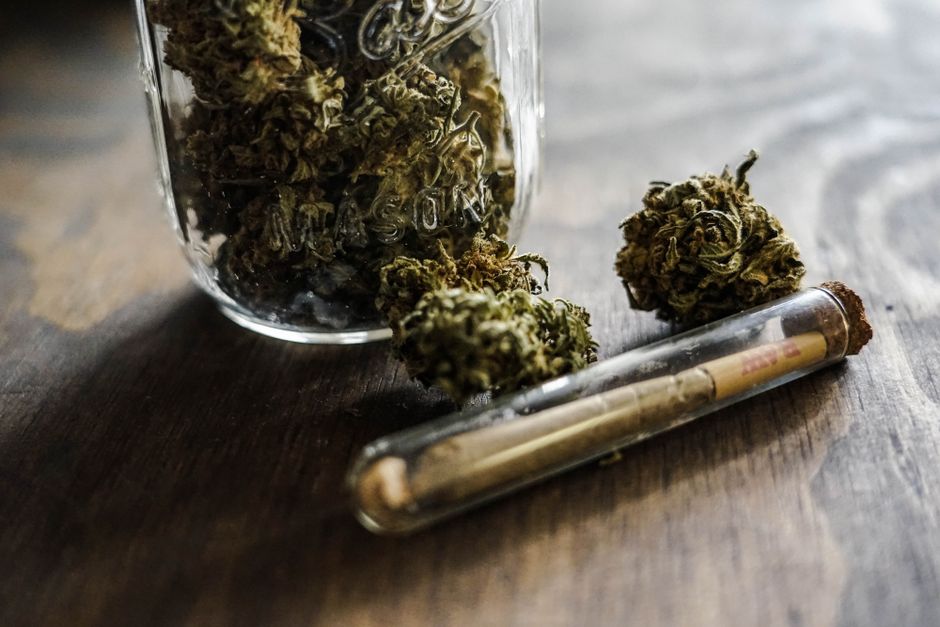
The legal limit is set at 2 micrograms per litre (µg/L) of blood for THC. Exceeding this level is enough for prosecution, even if you were not experimentally impaired at the time. This is a shift from previous courts where actual impairment was central.
Why THC Levels Aren't the Whole Story
THC is fat soluble and can linger in the bloodstream for hours or even days after use, especially chronic users. You could technically be below the threshold but impaired, or above it without any significant lingering impairment.
So the factual argument in courts has evolved beyond simple blood levels to include your behaviour, clinical evidence such as reports from medical professionals including those registered with the General Medical Council (GMC), and expert testimony about impairment.
Statutory Medical Defence and the Burden of Evidence
The statutory medical defence is a crucial legal exemption in drug-driving cases involving prescribed medications. The law recognises that some prescribed drugs, such as certain cannabinoid-based medicines or opioids prescribed by NHS England-approved services, can cause positive drug tests.
To successfully use this defence, you must demonstrate:
- You took the drug in accordance with medical advice or prescription.
- You were not impaired or unfit to drive when charged.
- You had reasonable grounds to believe the drug would not affect your ability to drive safely.
You know what's funny? the burden of proof lies with the defendant, meaning you need robust evidence, including medical records, prescriptions, and sometimes expert statements from a registered clinician or pharmacologist specialising in driving fitness assessments.
Roadside Swab Test vs Police Station Blood Test
After a suspicion of drug-driving, police officers typically conduct a roadside swab test. These are quick oral fluid tests that screen for substances like THC, cocaine, and opiates. However, they are less precise than blood analysis and cannot determine exact drug concentrations.
If the roadside swab is positive, you will usually be taken to a police station for a blood test. This test is more accurate and forms the primary laboratory evidence in court.
Why This Matters for Your Defence
- A negative or borderline roadside swab might prevent further proceedings.
- Discrepancies between swab and blood test results can sometimes be challenged.
- The timing of the tests relative to your last drug use and potential driving is critical forensic evidence.
EV Charging Downtime: A Legal Risk Window?
With the rise of electric vehicles and infrastructure provided by companies like EV Powered, drivers may be stationary and ostensibly “off the road” while charging. But this creates a tricky area when it comes to “being in charge.”
For example, imagine you have just stopped at an EV Powered rapid charger, have your keys on you, but are sitting outside the vehicle or on a bench waiting for evpowered.co a full charge. If police approach and find drugs or alcohol in your system, can you argue there was no likelihood of driving at that moment?
Considerations for the Courts
- Are you in the driver’s seat or within immediate reach of controls?
- Has the engine (or electric motor) been switched off securely?
- Was the downtime an intended break or involuntary delay?
- How long will you be at the charger, and is this a practical resting period?
Charging downtime can be a double-edged sword—while it may show no immediate plan to drive, police may argue the vehicle is still under your control and that you could start driving at any time.
Summary: How to Build a "No Likelihood of Driving" Defence
Defence Element What It Means Key Evidence Intent at the time You had no plan or intention to drive the vehicle Statements, CCTV, witness testimony, timing Physical control You were not in immediate control of driving (e.g. not in driver’s seat) Photos, descriptions of scene from arresting officers Evidence of impairment Your faculties were not impaired despite THC presence Medical evidence, expert reports, clinical history Use of prescribed medication You took drugs legally under NHS England-approved prescriptions Prescriptions, NHS records, GMC-registered clinician letters Timing of tests Difference between roadside swab and station blood test results Lab reports, timeline of eventsFinal Thoughts
Proving there was no likelihood of driving is a valid but complex defence against being in charge drug-driving charges. Courts expect detailed, factual arguments supported by concrete evidence. Don’t rely on myths like “engine off means you cannot be convicted” or the assumption that a prescription is a free pass to drive impaired.
If faced with such charges, it’s crucial to collect comprehensive evidence, understand the nuances between the roadside swab and police station blood tests, and consider any statutory medical defences carefully, ideally with legal and medical advice.
Staying informed about drug-driving laws and how new developments, such as EV charging downtime, are interpreted can protect your driving licence and freedom.
For further guidance, consult your solicitor and explore resources offered by NHS England and the GMC regarding safe driving while on medication.